Latest News
Your investment freedom-maker
Given that repeated research has found that a diversified portfolio's asset allocation is responsible for the vast majority of its variations in returns over time, it makes much sense for investors to get it right.

And once investors set an appropriate strategic asset allocation – the targeted exposure to different investment asset classes – they should gain more freedom to concentrate on the other fundamentals of sound investment management.
In a way, the creation and implementation of a portfolio's strategic asset allocation – perhaps using low-cost, indexing-tracking exchange traded funds (ETFs) or their equivalent in unlisted traditional index funds – could be described as a freedom-maker.
With their asset allocation in place – reflecting an investor's goals, tolerance to risk and expectations for returns – they can focus more on such critical issues for investing success as:
- Personal financial management: This includes such seemingly everyday matters as budgeting, keeping your debts under control (including your mortgage and credit card) and simply managing your personal cash flow. The efficient management of your personal finances may hopefully free up more money to invest.
- Smarter investor behaviour: Disciplined investors adhering to a strategic asset allocation should be less inclined to chase past performance (switching to investments that outperformed in the recent past), get caught up with the investment herd (who tend to buy when prices are high and sell low), and try to pick tomorrow's investment winners. The list goes on. It's worth setting aside time to think about how to become a more disciplined investor who avoids emotionally-driven investment decisions, taking a long-term perspective.
- Portfolio rebalancing: This disciplined strategy involves periodically rebalancing a portfolio back to its strategic asset allocation. Rebalancing should recapture a portfolio's intended risk-and-return characteristics. It is a smart way to periodically respond to movements in markets without being distracted by market “noise” as share prices move up and down.
- Cost control: High investment costs, including management fees, handicap real returns. And the negative impact of high fees compounds over time. Investors don't only forgo the money paid in high fees but the returns that this money may have earned over the long term.
- Tax efficiency: Investors can help keep their returns as high as possible in a low-interest environment without taking extra risks by ensuring that their investment taxes are efficiently managed. Be a tax-sensitive investor. Ways to improve tax efficiency can include investing more in concessionally-taxed super and low-turnover ETFs tracking broad sharemarket indices.
- Retirement drawdowns: Retirees face the task of efficiently drawing down on their retirement savings each year to strike a balance between having a satisfactory lifestyle and making their money last as long as possible. (See A dynamic approach to retiree spending and drawdowns, Smart Investing, September 11.)
- Estate planning: Your estate planning should aim to ensure that your wealth efficiently passes to beneficiaries in the way that you intend while minimising the possibility of family disputes. Regarding your super, consider whether to nominate preferred beneficiaries or make binding death benefit nominations. Surveys for the 2018 Vanguard/Investment Trends SMSF Report, published earlier this year, confirms that estate planning is among the highest unmet needs for advice among self-managed super funds.
In short, having an appropriate strategic asset allocation in place gives you more freedom to concentrate on other matters under your control, rather than worrying about what's beyond your control. Of course, setting the right asset allocation is at the top of what's under your control.
Written by Robin Bowerman
Head of Corporate Affairs at Vanguard.
02 October 2018
vanguardinvestments.com.au
Latest Articles

ATO’s LRBA data significantly less than industry figures
There were nearly four times as many new residential loans written using limited recourse borrowing...

How to maximise the impact of your inheritance
Australia’s $3.5 trillion wealth transfer: how to invest an inheritance wisely . Australia is...

Six ways Gen X can build retirement savings
Making the most of your peak earning years . Many Gen X Australians are now in their peak earning...

Contribution splitting now more valuable
The introduction of Division 296 has highlighted the value of contribution splitting and increased the...

New to SMSFs? Start preparing for your first SAR lodgment
New SMSFs that are required to lodge a self-managed super fund annual return by 31 October should start...

Can I still get the Age Pension if my super is healthy?
A healthy super balance doesn't always rule you out of the Age Pension . Many Australians assume...

New deeming thresholds could deliver small part age pension
Two significant deeming thresholds increased on 1 July 2026, the one at which the higher deeming rate of 3.2...

Check out the this visualization, which tracks the evolution of dietary calorie intake from 1930 to...
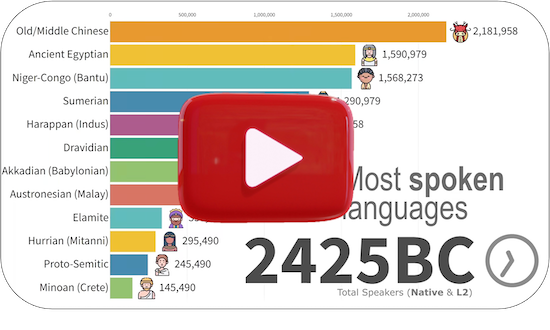
The evolution of the world’s languages
Check out the evolution of the world's most spoken languages from 2500 BC to...

Record SMSF growth driven by digital access
Record SMSF growth driven by AI and digital tools, but admin and compliance challenges...
Rules apply to gifting in superannuation
Australia’s age pension gifting rules are again under scrutiny as advisers warn that retirees are...

investment and economic outlook 2026
Our latest forecasts for investment returns and region-by-region economic outlook . Economic...

Retirement Planning
Retiring on your own terms is not always easy to achieve, however it is evident that those who plan for retirement are more likely to do so. Results also show that obtaining professional help during the pre-retirement years further improves the probability of attaining your retirement objectives.
The earlier you start implementing a plan the better the outcomes.
During one’s working life there is always an income to make ends meet when raising children, paying off a mortgage, etc.
Retirement planning is about the lifestyle you will have after you stop work and receiving employment income. Planning focuses on issues such as how much superannuation is enough, taking a super pension, claiming the Age Pension, making superannuation contributions while receiving a pension from a super fund, estate planning and looking after your family.
Planning properly is becoming even more important now we are expected to live longer. This greater need means that professional help has never been more important.
At Wybenga Financial we will provide the time and expertise needed to help you implement the best pre-retirement plan possible. Contact us today to discuss how we can work together on: (02) 9300 3000 or .

Building Wealth
Investing your hard earned savings can be a complex task. There are many issues such as levels of risk, market timing, asset classes, and your own goals, objectives and preferences that need to be considered. It can often seem a daunting task. At Wybenga Financial we have the expertise to assist you in taking control of your finances and making sure you are generating the wealth you need both now and in the future.
The first step is to create a plan. At Wybenga Financial we take great care in getting to know our clients and their future goals and objectives. We combine our knowledge of your personal goals together with an analysis of your current situation, to create a detailed, personalised plan that will help you meet your objectives. This plan will become your road map which outlines how we are going to meet your goals, whilst aligning all investment decisions to your specific risk tolerance.
After we have created your personal plan, we move to implementation. This is where we action the immediate changes set out in your plan, and put in place reminders for anything that is to occur in the future. As your professional advisers, we can action many steps on your behalf making the implementation of changes as painless for our clients as possible. We aim to make the process smooth and seamless, providing a holistic service that can be executed with ease.
The final and most important phase of the relationship with Wybenga Financial is the ongoing management of your wealth. This ensures you are sticking to your plan and that your portfolio is aligned to your needs and attitude toward risk. An ongoing relationship ensures that we know when your circumstances change and that these can be recognised and reflected in changes to your investment approach.
While we are reviewing your portfolio from the perspective of your personal goals and situation, we also take into account the wider economic landscape and changes to legislation. We continually review and analyse our preferred investments in a structured and objective way. The benefit to our clients is that we are unemotional. This can be significantly beneficial over the long term.
At Wybenga Financial we can provide the time and expertise that will help you invest intelligently and prudently. Contact us today to discuss how we can work together: (02) 9300 3000 or .

Personal Insurance
Life insurance isn’t just a cost, though it often feels like it. You buy peace-of-mind that should a serious issue effect you then the consequences won’t unduly affect your family. Insurance provides you with the ability to manage the financial and emotional impact of some of the more drastic events, whether personally or in your small business.
Insurance can’t replace a loved one but it can help reduce the financial burden by providing the capital to ensure your family has choices.
Many Australians are underinsured and the consequences can be very serious for families should there be a death or serious injury. A yes to any of the following questions means you may have a need for insurance coverage:
- Do you have a mortgage?
- Do you have school fees?
- Do you have any personal loans?
- Do you have any credit card debt?
- Do you have dependents?
- Would your financial position be affected if you were to suffer from an illness or injury?
- Do you want to have enough capital to look after your dependents if you were unable to care for them for an extended period of time or perhaps indefinitely?
We understand that it can be difficult determining the type and level of cover you might need, let alone choosing an insurer. We can assist by helping you determine your needs and recommend an insurer that is right for you.
At Wybenga Financial we know how to protect your wealth and will recommend solutions that best suit your needs. Contact us today to discuss how we can work together: (02) 9300 3000 or .

Superannuation
Superannuation is mandatory but taking an early and active interest in your retirement planning is critical to ensuring your benefits are maximised by the time you retire. Many will have a superannuation scheme through employment but increasing numbers are starting their own Self-Managed Super Fund (SMSF).
For many, simply relying on employer contributions may not be enough to provide the lifestyle you desire at retirement. We can assist in building strategies to ensure your retirement goals are met and your required lifestyle is maintained throughout retirement.
It is always best to start saving and planning for your retirement as early as you can.
At Wybenga Financial we know our job is to help you meet your retirement needs and we have the skills and experience to do this for you. Contact us today to discuss how we can work together: (02) 9300 3000 or .

Self Managed Super Funds
Self-Managed Superannuation Funds (SMSFs) offer a good strategy option for many individuals, families and small business owners to build tax effective wealth and to protect assets over time. SMSFs are becoming popular for those who are ready to take control of their own super investments as they give you ultimate control and flexibility to manage your retirement benefits.
It must be noted though, that you will have increased responsibilities as a trustee of the fund. As a SMSF Trustee you need to keep up to date with all required regulations and keep up with the fast paced financial markets.
Wybenga Financial can work with you to understand your personal financial situation and decide whether a SMSF structure is appropriate for you. We will also make sure your assets are invested in the most effective way to maximise your retirement benefits.
Should you wish to consider establishing a SMSF then we can help with all aspects of the process from establishment to managing your compliance obligations.
Wybenga Financial would welcome the opportunity to discuss how we can help maximise your opportunities to grow your wealth through a Self Managed Superannuation Fund (SMSF). Contact us today to discuss how we can work together: (02) 9300 3000 or .

Estate Planning
Your estate is made up of everything you own. This includes your home, property, furniture, car, personal possessions, business, investments, superannuation and bank accounts.
Having an estate plan is extremely important. Having a will is just the first step in your estate plan. It is critical to consider what outcomes you would like for your estate and to ensure a plan is in place to achieve those outcomes, both including and beyond the terms of your will.
Wybenga Financial would welcome the opportunity to discuss how we can help ensure your estate is organised to ensure your plans are implemented as you wish. Contact us today to discuss how we can work together: (02) 9300 3000 or .

Finance
Loans and loan management are central to overall financial management. Obtaining the the most appropriat loans for your needs is crucial and Wybenga Financial can help you with solutions that meet your short and long term needs.
At Wybenga Financial we work with experienced mortgage brokers that can assist you in obtaining the most appropriate loan for your needs and objectives. Whilst this is an external service, we work closely with the brokers to ensure the process is as easy and smooth as possible.
Contact us today to discuss how we can work together: (02) 9300 3000 or .

Property
We have partnerships with many respected property agents and research firms. This enables us to source suitable properties for individuals, couples and families looking to make an investment into property.
At Wybenga Financial we will assist you implement the most appropriate property investment plan possible. Contact us today to discuss how we can work together: (02) 9300 3000 or .

Strategic Planning
Strategic planning is determining how an investor is going to meet their goals and objectives. It is about helping clients define their goals, gathering information and analysing data to make a plan, then implementing the plan and reviewing the results. It is also reviewing and updating goals and objectives as clients move through different phases of life.
At Wybenga Financial, this is the most critical service we provide. For more information please visit our Building Wealth through Strategic Planning page or contact us to discuss how we can work together: (02) 9300 3000 or .
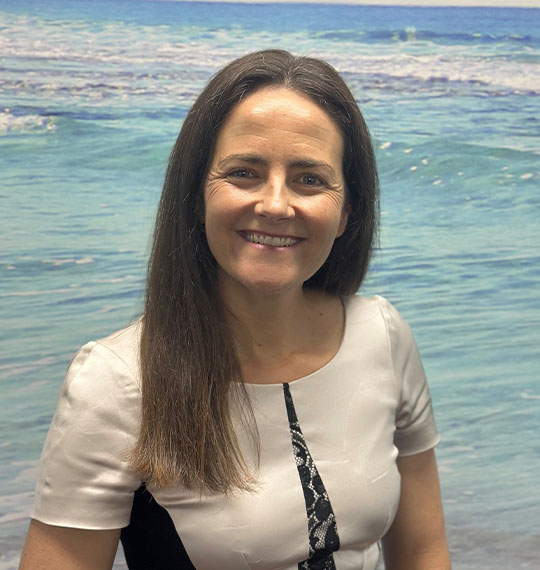
Tess Uncle
B.Sc, M.Com, CA, DipFP
Tess has been working in Chartered Accounting Firms since 2001 and in this time has had a broad range of experience in superannuation, taxation, business services, and financial strategy.
Since 2016, Tess has turned her attention to Financial Planning, earning a Diploma of Financial Planning in 2015 and leading the newly established financial division of the Wybenga Group as a director of Wybenga Financial.
Tess’s mission is to bring the ethics and integrity of her Chartered Accounting background to the area of wealth management.
As a woman in a male dominated field, Tess is active in promoting gender equality in the industry through various programs and mentoring opportunities.
Using her depth of knowledge and experience in tax and accounting Tess is able to demonstrate a level of competence that is unique in the Financial Planning sector.
- 2001 – Commenced employment with Wybenga & Partners and part-time accountancy studies
- 2004 – Graduated Masters of Commerce from the University of New South Wales
- 2005 – Admitted as an Associate Member of the Institute of Chartered Accountants Australia & New Zealand
- 2007 – Promoted to Manager at Wybenga & Partners
- 2012 – Appointed as Associate Director
- 2015 – Awarded a Diploma of Financial Planning
- 2016 – Appointed as Director of Wybenga Group Pty Ltd, Wybenga & Parthers Pty Ltd and Wybenga Financial Pty Ltd
Schedule a Meeting with Tess
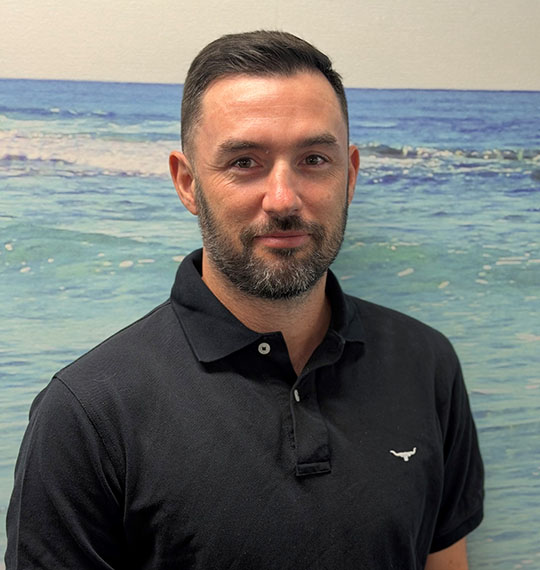
Adam Roberts
B.Bus, B.Sc, CA, DipFP
Adam has been working in Chartered Accounting Firms since 2005 and in this time has had a broad range of experience in superannuation, taxation, business services, and financial strategy.
Since 2016, Adam has turned his attention to Financial Planning, earning a Diploma of Financial Planning in 2015 and leading the newly established financial division of the Wybenga Group as a director of Wybenga Financial. Adam specialises in Financial Planning, wealth accumulation, portfolion management, tax and investment strategies including structuring investments and superannuation, and insurances.
Adam’s mission is to bring the ethics and integrity of his Chartered Accounting background to the area of wealth management.
Combining traditional accounting and financial services has been a welcome move for Adam, allowing him to operate and advise in the financial sector that has been a long time personal passion.
Using his depth of knowledge and experience in tax and accounting Adam is able to demonstrate a level of competence that is unique in the Financial Planning sector.
- 2005 – Graduated Bachelor of Science from the University of Western Sydney
- 2005 – Commenced employment with Wybenga & Partners and part-time accountancy studies
- 2007 – Graduated Bachelor of Business from the University of Western Sydney
- 2010 – Admitted as an Associate Member of the Institute of Chartered Accountants Australia & New Zealand
- 2010 – Promoted to Manager at Wybenga & Partners
- 2012 – Appointed as Associate Director
- 2015 – Awarded a Diploma of Financial Planning
- 2016 – Appointed as Director of Wybenga Group Pty Ltd, Wybenga & Parthers Pty Ltd and Wybenga Financial Pty Ltd